Beginner Picks · Updated October 2026
Best Pickleball Paddles for Beginners (2026)
If you're new to pickleball, the single biggest spec mistake is choosing the wrong shape. Elongated paddles look cool but have tiny sweet spots — every off-center hit is punished. Widebody paddles have the largest sweet spot in pickleball, period. Every pick below is a widebody, ranked on twist weight (forgiveness), swing weight, and price. These are the paddles that make pickleball feel easy while you're still learning.
Top 5 Pickleball Paddles for Beginners
Chorus
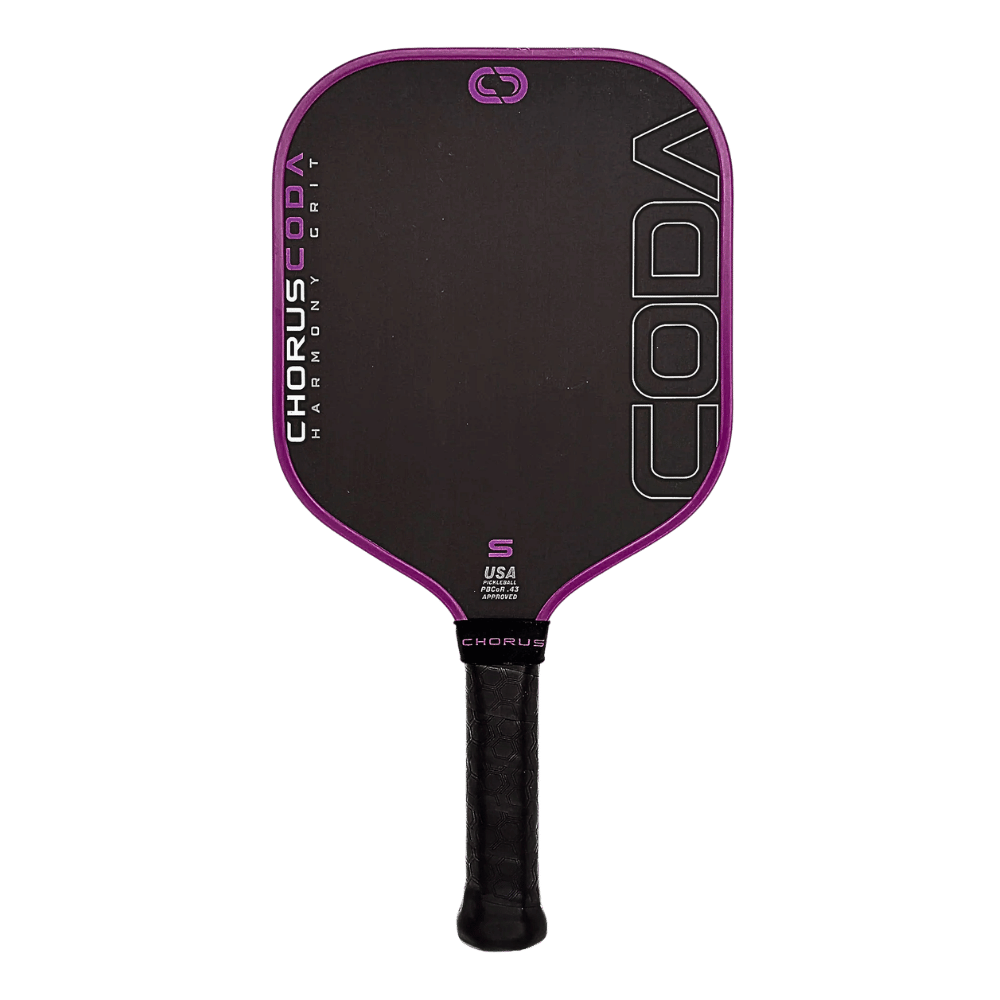
Chorus Coda Harmony Grit
Widebody · 16mm · $199.99 (10% off)
The Coda Harmony pairs an elite-tier twist weight (7.41 — among the most forgiving in the entire catalog) with a swing weight (111.8) that's right in the beginner sweet spot. Big sweet spot, easy to swing, premium 16mm build. If you want one paddle that will carry you from week-one beginner through 3.5 play without needing to upgrade, this is it.
Bread & Butter
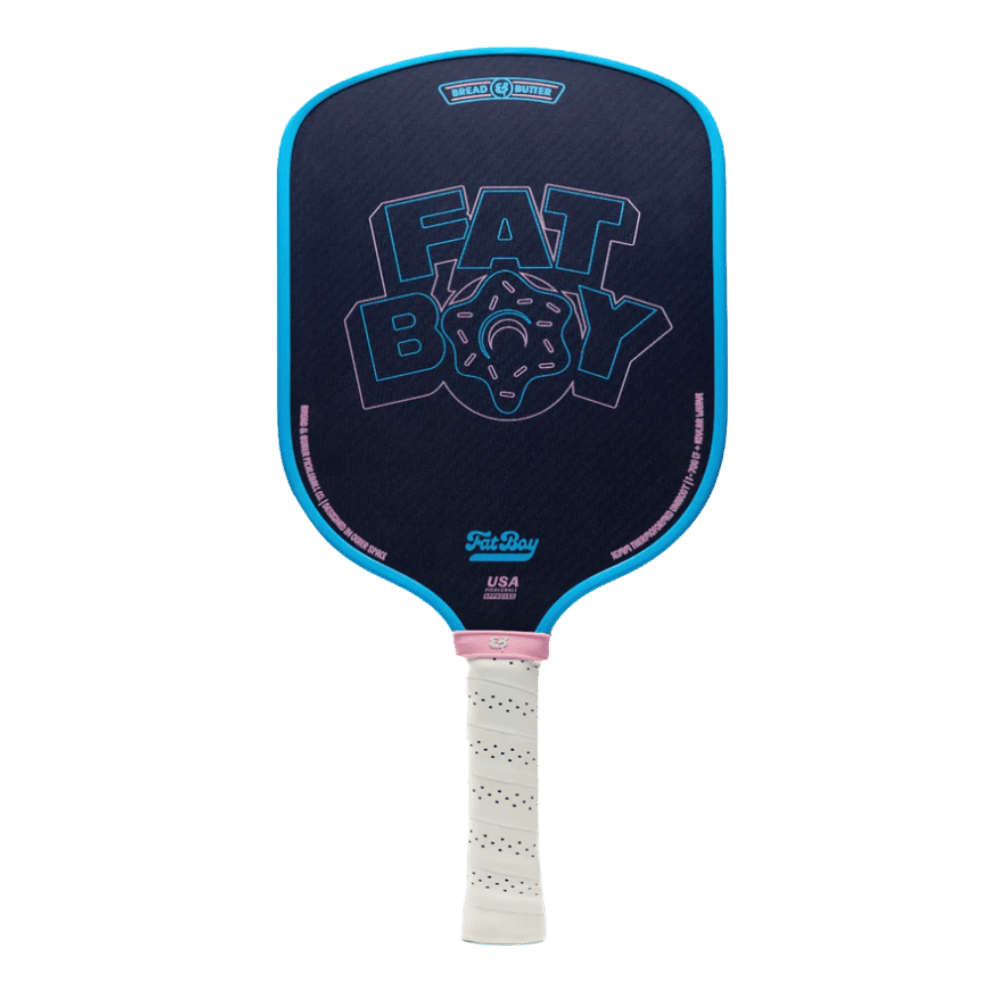
Bread & Butter Fat Boy
Widebody · 16mm · $189.99 (10% off)
The Fat Boy lives up to its name — TW 7.39 and a true widebody face mean it's almost impossible to mishit. Swing weight (109.5) is light enough to handle quick exchanges at the kitchen, and Bread & Butter's build quality is legitimately premium at $189.99. The most forgiving paddle in this list when paired with the Coda.
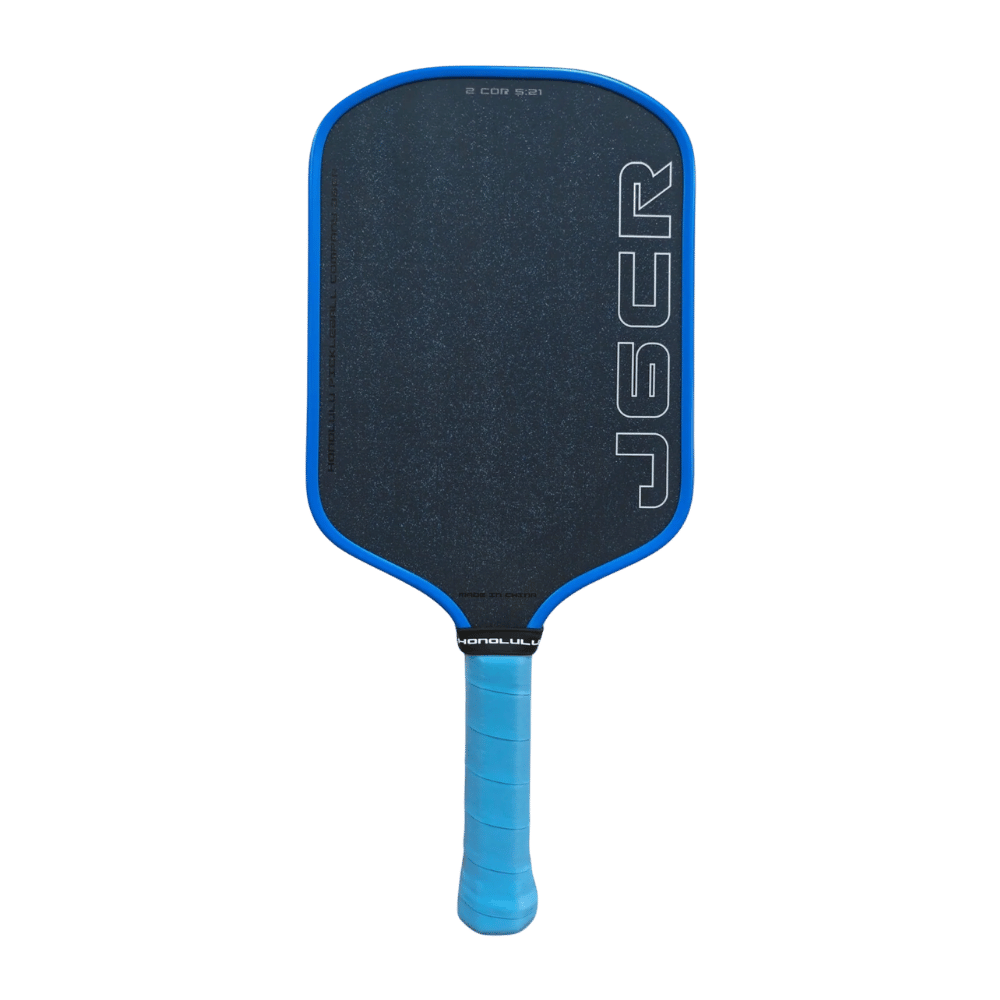
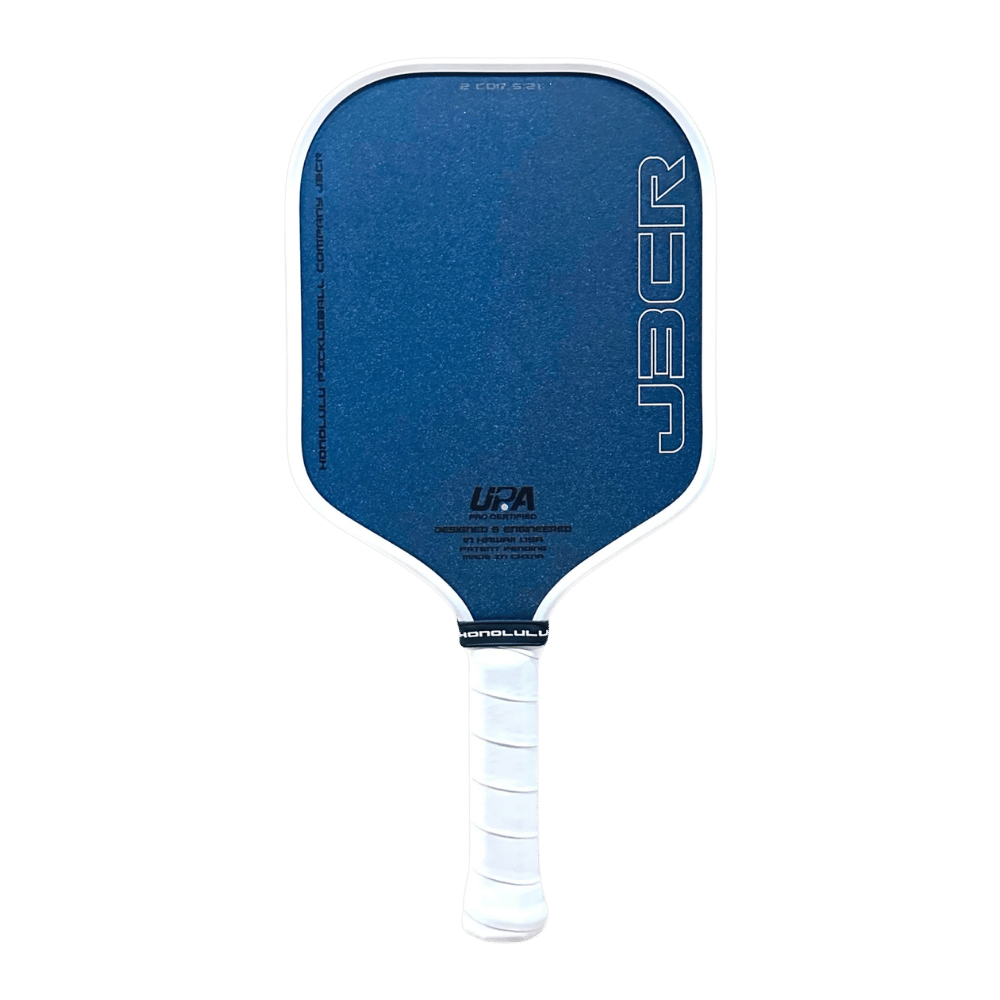
Honolulu
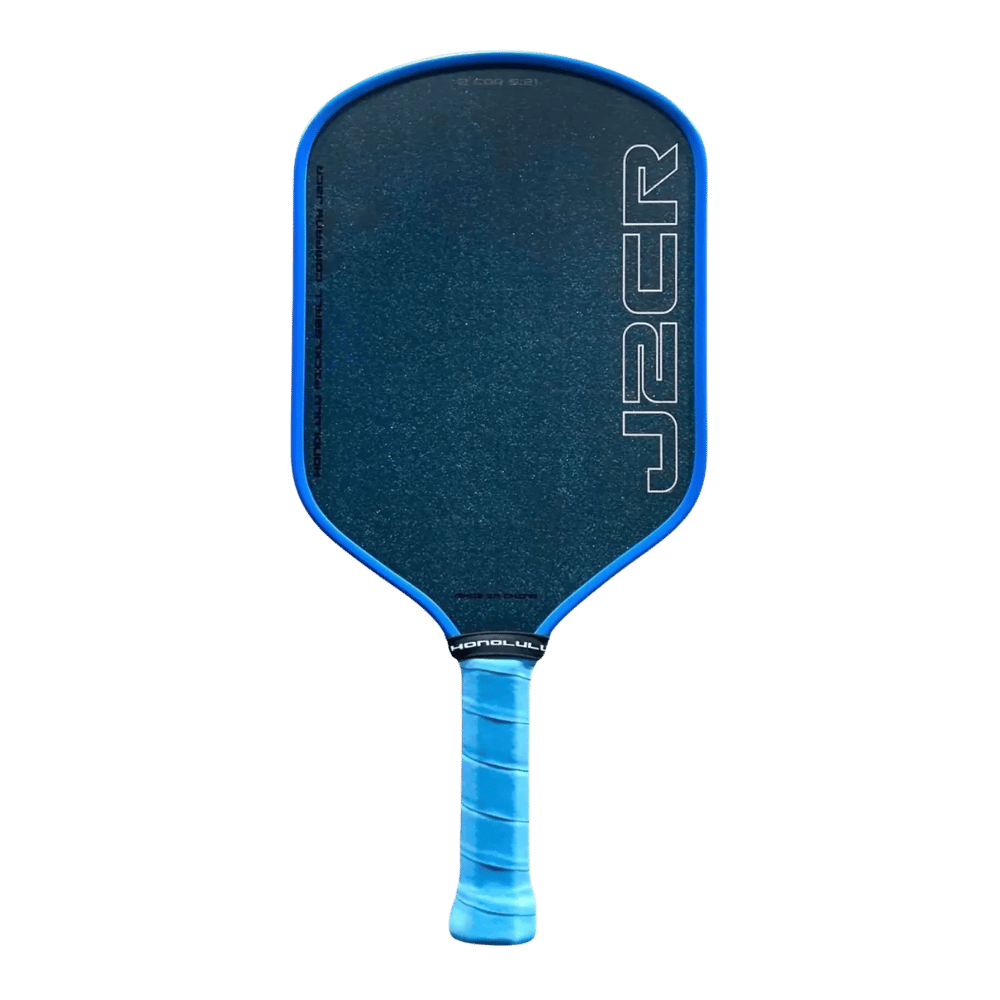
Honolulu Crystal Blue Series
Hybrid, Elongated, Widebody · 16mm · $195.00 (10% off)
The J3CR pairs the widebody geometry with Honolulu's Endurance Surface — a textured face that holds its grip on the ball for far longer than most paddles. Beginners benefit because grip = control = the ball goes where you aim it. The widebody version of the Crystal Blue is the easiest of the three shapes (J2CR / J3CR / J6CR) to play.
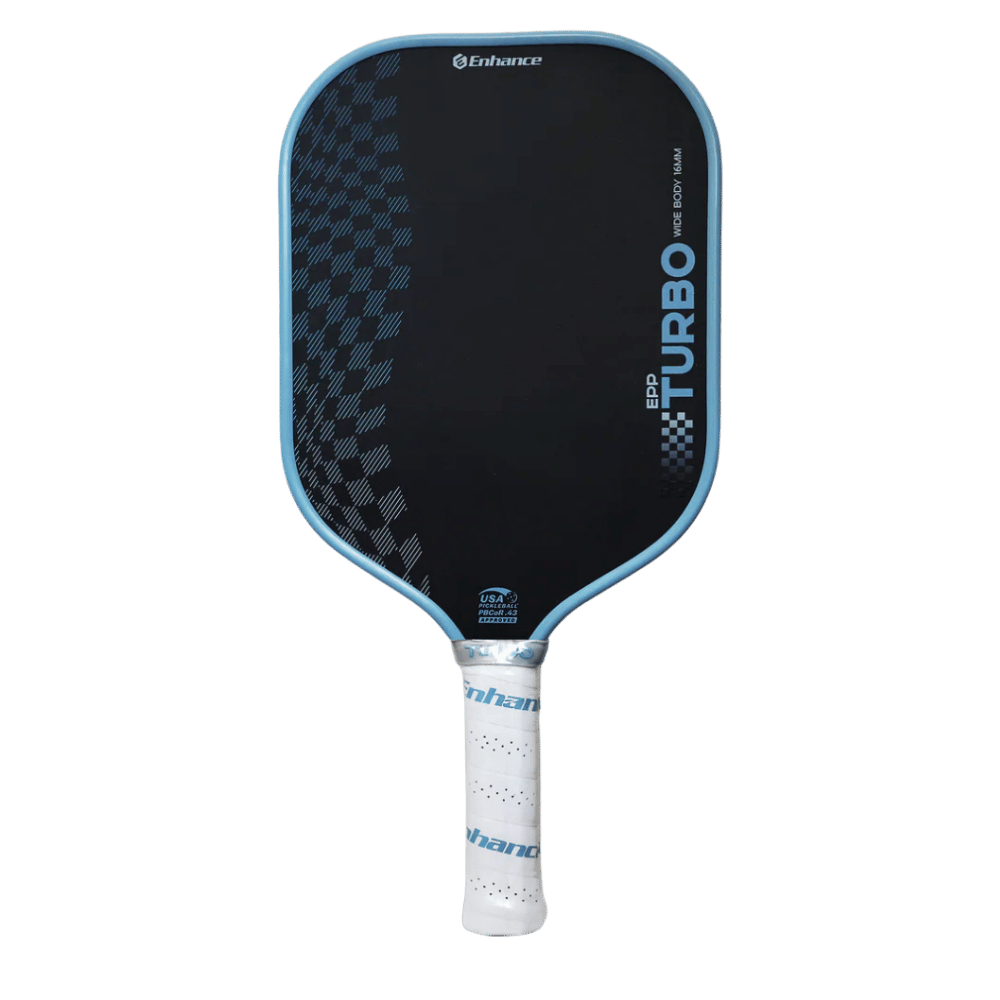
Enhance
Enhance Turbo EPP
Widebody · 16mm · $119.99 ($20 off)
Beginners shouldn't have to spend $200. The Turbo EPP delivers a real foam-core widebody with TW 7.07 (very forgiving) at $119.99 — which drops under $100 with code PLAYBOOK. The build is genuinely good — this isn't a 'cheap because it's cheap' paddle. It's the value pick that doesn't compromise on what matters for a beginner.
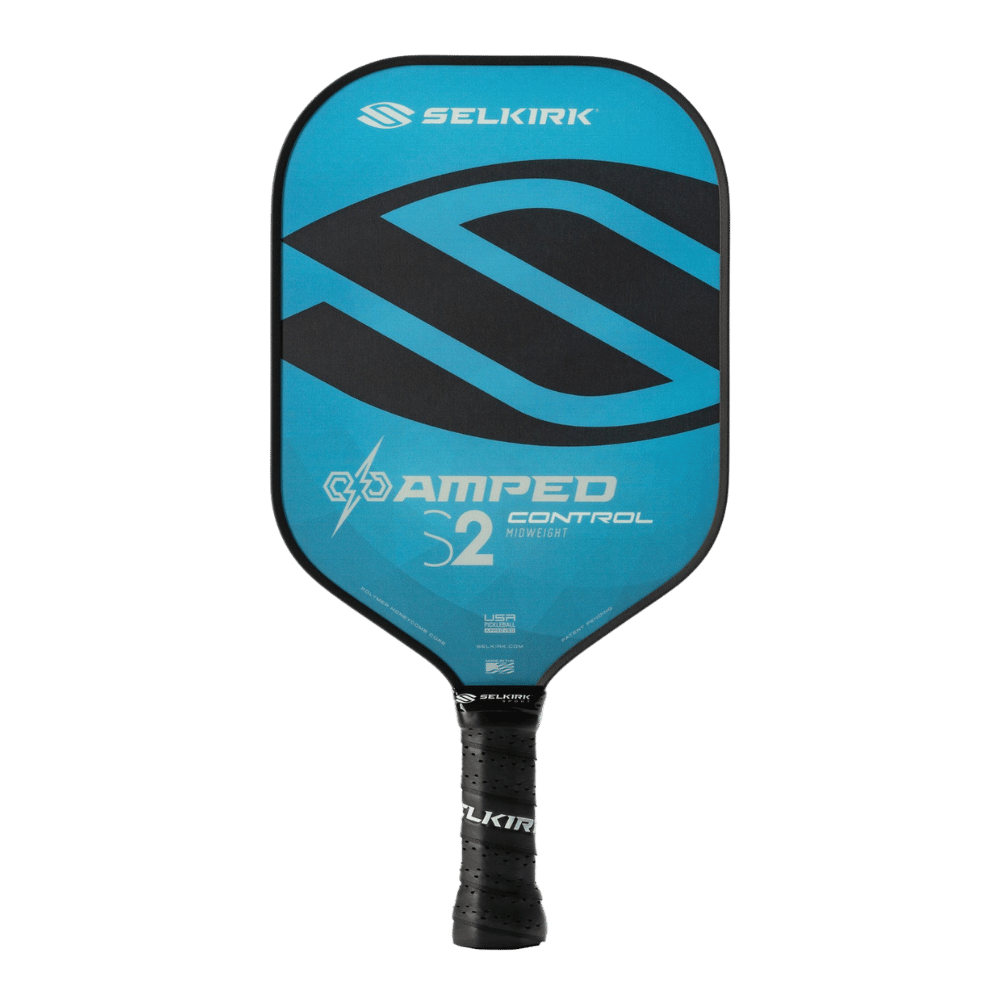
Selkirk
Selkirk Amped S2
Widebody · 16mm · $100.00
The Amped S2 has the lowest swing weight on this list (97.7) — meaning if you have any wrist issues, slow reactions, or just want a paddle you can whip around at the kitchen, this is the one. The Selkirk build quality is best-in-class, the price is $100 flat, and the wide face still gives you a forgiving sweet spot. Perfect for older beginners or anyone prioritizing maneuverability over power.
Get more picks for beginners in your inbox
Weekly paddle reviews, exclusive discount codes, and what's worth buying — straight to your inbox.
Unsubscribe anytime · No spam · Free forever
Why widebody — and what else actually matters
Widebody is the only shape that makes sense for a beginner. Elongated paddles have a tiny sweet spot — every mishit is a dead paddle. Hybrid is a middle ground. Widebody has the largest sweet spot of any shape, which is the single most important thing when you're still developing your contact point. Every pick on this page is widebody for that reason.
Twist weight is the most important spec, and most buyers don't even know it exists. Twist weight measures how forgiving the paddle is on off-center hits — a higher number (6.5+) means a mishit toward the edge still goes where you intended. Every paddle above has TW 6.4 or higher; the top two are above 7.3 (elite-tier).
Swing weight in the 105–115 range is the sweet spot. Too low and you have to swing hard to generate pace. Too high (120+) and you can't react fast enough at the kitchen yet. Widebody paddles naturally sit in this comfortable range — another reason they're the right starting shape.
Don't buy a 13mm paddle as your first. Thinner cores have a livelier feel but punish off-center hits and play stiffer. Start at 16mm — softer, more forgiving, and better for the touch game you're learning. Every pick above is 16mm.
Want to go even cheaper? See our best paddles under $125 — several beginner picks also appear there. Or browse all widebody paddles in our paddle database to compare specs directly.
Common Questions
FAQ
What's the best pickleball paddle for a true beginner?
The Chorus Coda Harmony Grit Widebody is the cleanest first paddle: an elite twist weight of 7.41 (extreme forgiveness), an easy-to-swing swing weight of 111.8, and a premium 16mm build that scales with your game. It's a paddle you can keep all the way to 3.5+ play without needing to upgrade.
What shape should a beginner buy — widebody, hybrid, or elongated?
Widebody, hands-down. Widebody paddles have the largest sweet spot in pickleball — which is the single most important property when your contact point is still inconsistent. Hybrid is a step up in difficulty; elongated is for advanced players who can reliably hit the ball where they want. Every pick on this page is widebody for that reason.
Should a beginner buy a 16mm or 13mm paddle?
16mm, always. Thicker cores are softer, more forgiving on mishits, and easier to control at the net. 13mm paddles add pop but punish bad mechanics. You can upgrade to 13mm later once your stroke is consistent.
How much should a beginner spend?
$100–$200 is the right range. Below $80 the build quality drops fast. Above $250 you're paying for spec tuning you can't yet take advantage of. The Enhance Turbo EPP and Selkirk Amped S2 deliver real quality at $100. The Chorus Coda and B&B Fat Boy are worth the step up if your budget allows.
Do beginners need a USAP-approved paddle?
Only if you plan to play sanctioned tournaments soon. For recreational play, social pickleball, and most leagues, you don't need USAP approval — though almost every paddle on this list has it anyway.
Go Deeper
Learn More About Beginners
How to Buy
How to Choose a Pickleball Paddle: A Buyer's Guide for Every Skill Level
A paddle isn't a one-size-fits-all purchase. This guide walks through every decision in order — shape, thickness, weight, grip — so you end up with one that fits how you play.
How to Buy
Cheap Pickleball Paddles That Don't Suck: Real Performers Under $130
Most cheap paddles really do suck. A few brands have figured out how to deliver modern performance under $130. Here's what's worth your money — and what to avoid.
How to Buy
Pickleball Paddle Grip Size Guide: How to Pick the Right Circumference
Grip size is the easiest paddle spec to mess up. Most beginners buy too big and over-grip. Here's how to find the size that actually fits.
Paddle Anatomy
What Is a Hybrid Pickleball Paddle? The Best-of-Both-Worlds Shape Explained
Hybrid paddles split the difference between elongated and widebody — more reach than a widebody, more sweet spot than an elongated. Here's why they're the fastest-growing shape in pickleball.
Drills · Training · Tips
Train Smarter, Hit Harder
Drills Guide
The 20 Best Pickleball Drills (For Every Skill Level) — 2026 Guide
Drilling is what separates 3.5 players from 4.5 players. Not playing more, drilling more. Here are the 20 most effective pickleball drills we've tested — sorted by shot type — with solo, partner, and ball machine variations for every level.
Training Guide
How to Get Better at Pickleball (Fast): A Pro-Backed 4-Step System
Most players try to get better by playing more. Tour pros get better by drilling more. The 4-step system below is what actually works at 3.0, 3.5, 4.0, and 4.5 — and the only one tested across 100+ rec players who've used it to climb a rating in 90 days.
Training Guide
How to Hit a Perfect Third-Shot Drop in Pickleball (Step-by-Step)
The third-shot drop is the most important shot in pickleball above 3.0 — and the one most rec players skip drilling. Here's the step-by-step: grip, contact, swing path, drills, and when to drive instead.
Drills Guide
The 8 Best Pickleball Drills for Beginners (Where to Start)
If you're new to pickleball, drilling matters more than playing. The 8 drills below cover the foundational shots — dink, drop, serve, return, reset — and the footwork that holds them together. Run these before you ever add a fancy shot to your game.
Looking for paddles at every price point?
See All Best Pickleball Paddles