Paddle pricing in 2026 ranges from $50 (mass-market beginner sets) to $350 (flagship pro models). Spending more does buy you more — to a point. The catch is that the value curve isn't linear. The jump from $80 to $180 is dramatic; the jump from $250 to $350 is mostly marketing.
What Each Price Tier Actually Gets You
| Price | Construction | Performance |
|---|---|---|
| $50–80 | Cold-pressed fiberglass face, no grit | Beginner-only. No spin, low pop, short life. |
| $80–130 | Thermoformed or foam core, basic carbon face | Real performance. Beats every $50 paddle by a mile. |
| $130–200 | Modern thermoforming + raw carbon T700 + good twist weight | Sweet spot. Where most intermediate players should shop. |
| $200–280 | Refined Gen 3 or premium foam, sometimes Kevlar layer | Real upgrade. Better durability, better spin, more refined feel. |
| $280+ | Flagship materials (T800, premium Kevlar) | Diminishing returns. Differences are real but small. |
Where the Real Value Sits
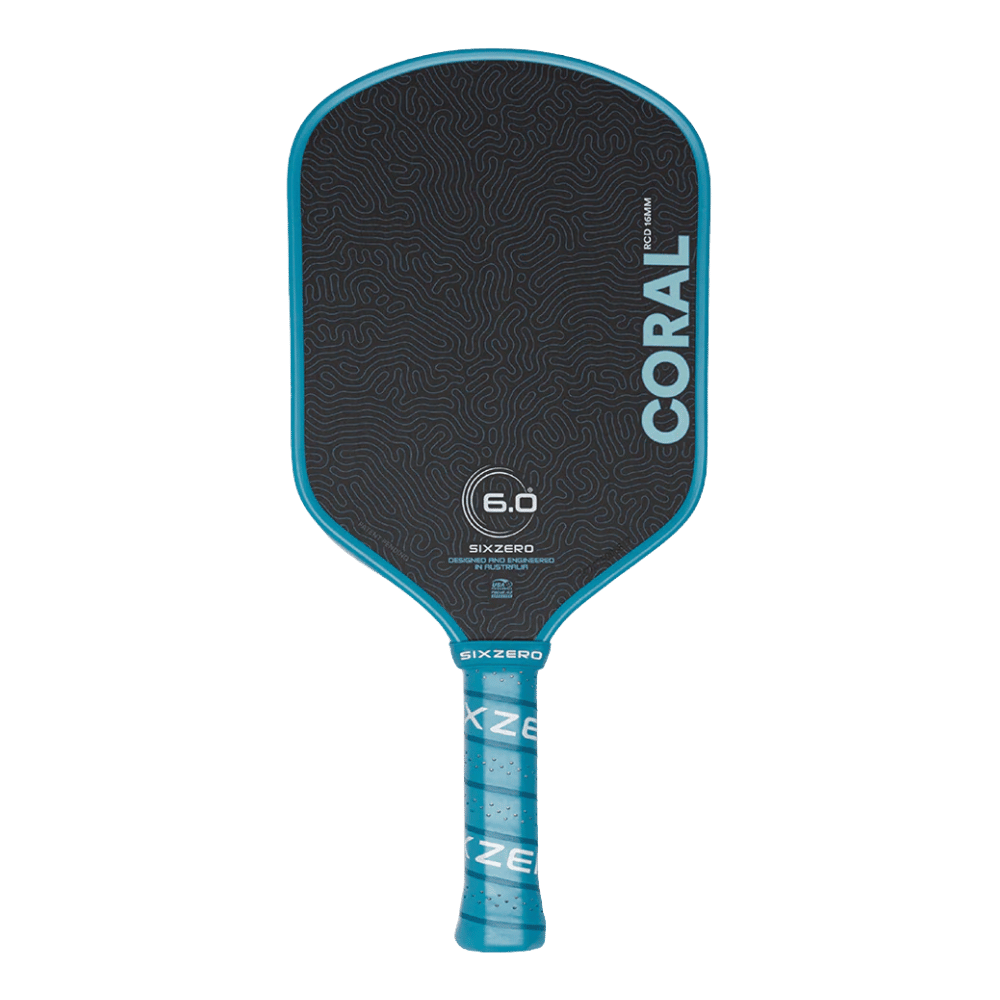
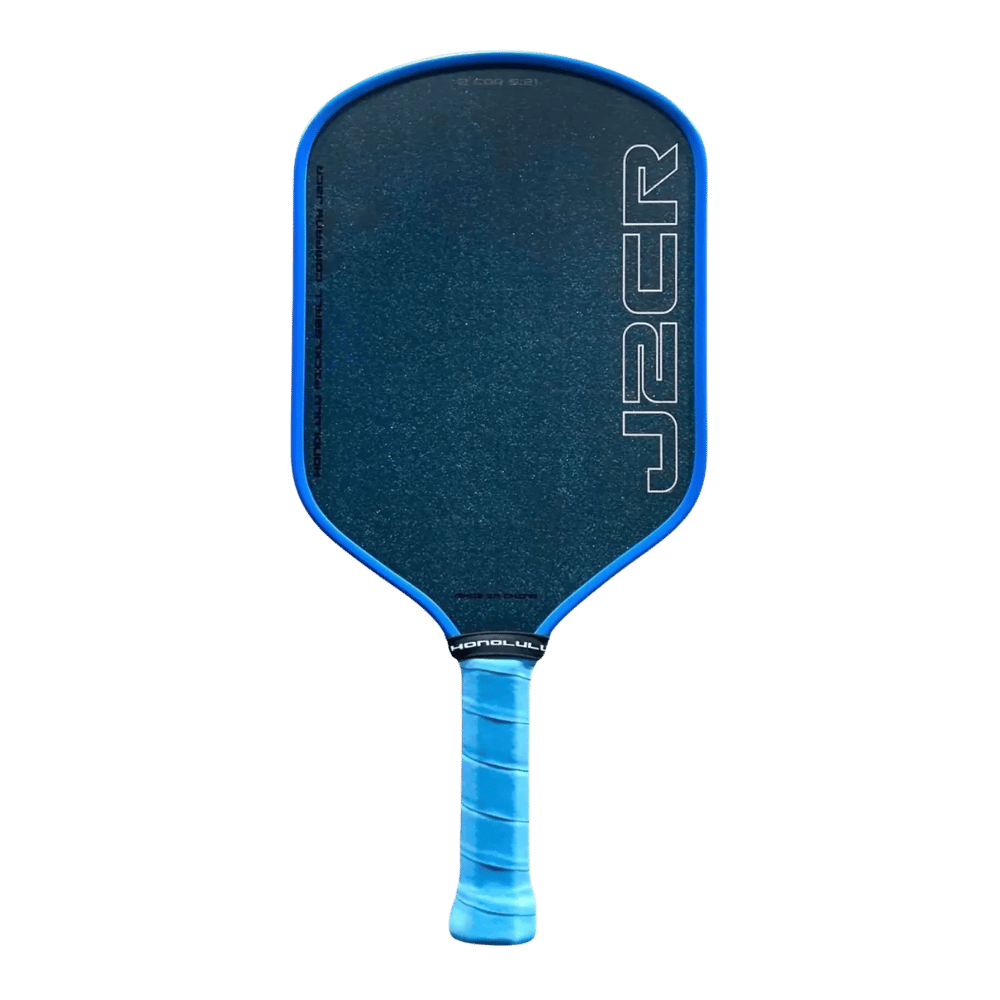
$130–200 is the sweet spot for most players. At this price point, modern construction (thermoformed unibody, raw carbon face, decent swing/twist weight) is standard. Paddles like the Six Zero Coral, Aireo Cyclone, RPM Q2, Speedup Tide, and Honolulu J-series all live here. The jump from a $90 paddle to a $180 paddle is bigger and more obvious than the jump from $180 to $280.
What You Gain Above $200
- More refined manufacturing — tighter tolerances, less paddle-to-paddle variance
- Premium materials — Kevlar face options, T800 carbon, exotic core blends
- Longer warranties — most $250+ paddles offer 2 years; foam paddles often lifetime
- Better grip quality — softer, tackier stock grips that don't need replacement as fast
- Brand prestige — sometimes worth it for resale value, less so for performance
Where Expensive Doesn't Pay Off
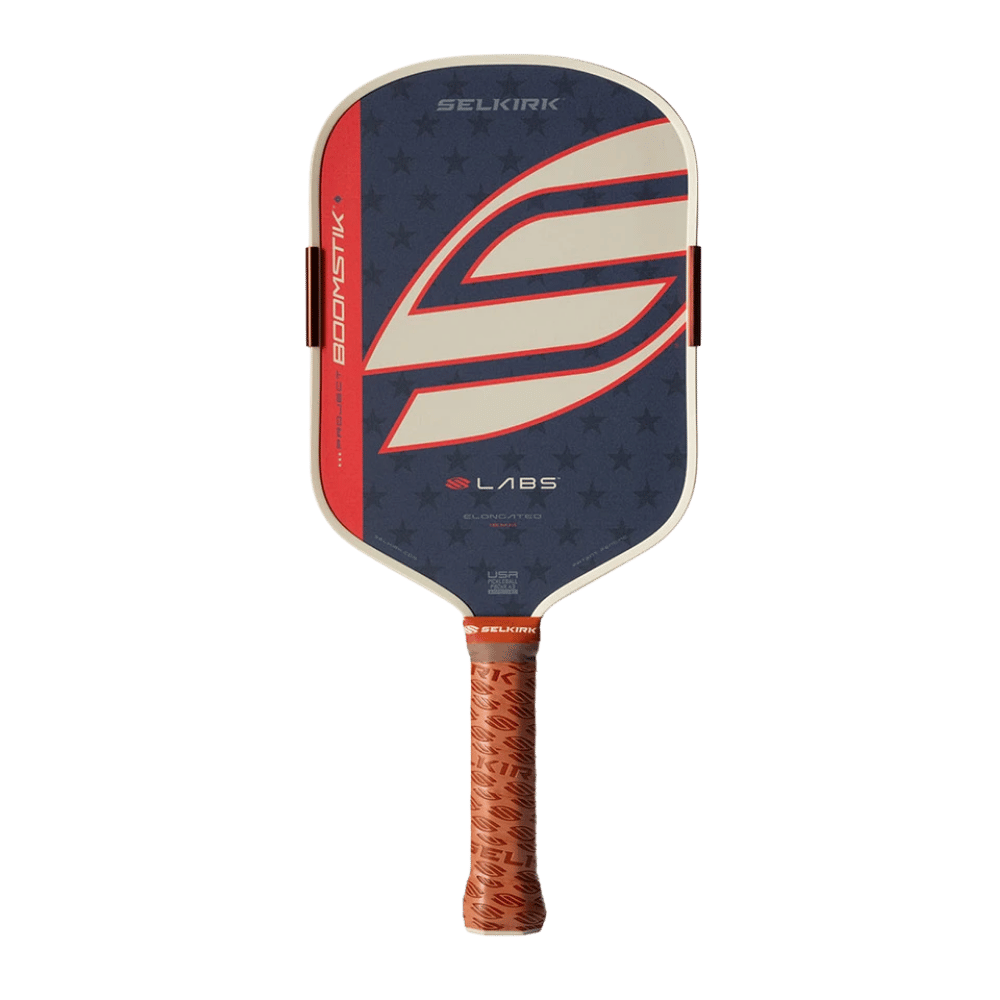
Above $280, you're paying for materials and finishes most players can't feel a difference from. The flagship paddles from Joola, Selkirk, and Paddletek are genuinely excellent — but a $180 Honolulu J2CR will keep up with a $300 Joola Pro IV on the court for the vast majority of players. Above $200, the question stops being "is this better" and becomes "do I have the skill to feel this difference."
When Going Cheap Is the Right Call
Brand-new beginners shouldn't spend over $130. You don't yet know what you want in a paddle — your game will change rapidly over the first 6 months, and the spec-fit decisions that matter at the intermediate level (swing weight, thickness, shape) are decisions you can't make accurately yet. Buy something solid at $80–130, play for 3–6 months, then upgrade once you know your style.
Bottom Line
Beginners: $80–130. Intermediate: $130–200 — that's where most of the value lives. Advanced: $200–280 if you can feel the difference. Above $280: only if you're chasing the last 5% of performance or you genuinely prefer a specific flagship model.