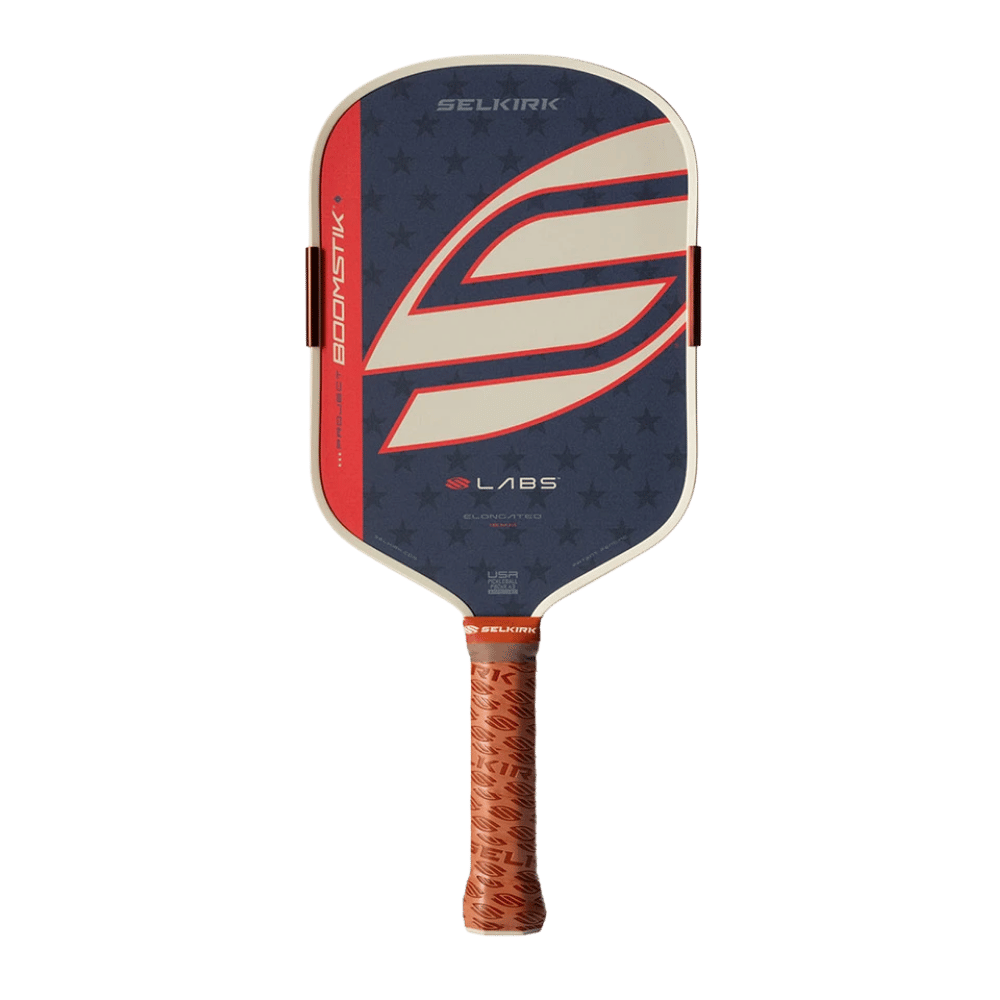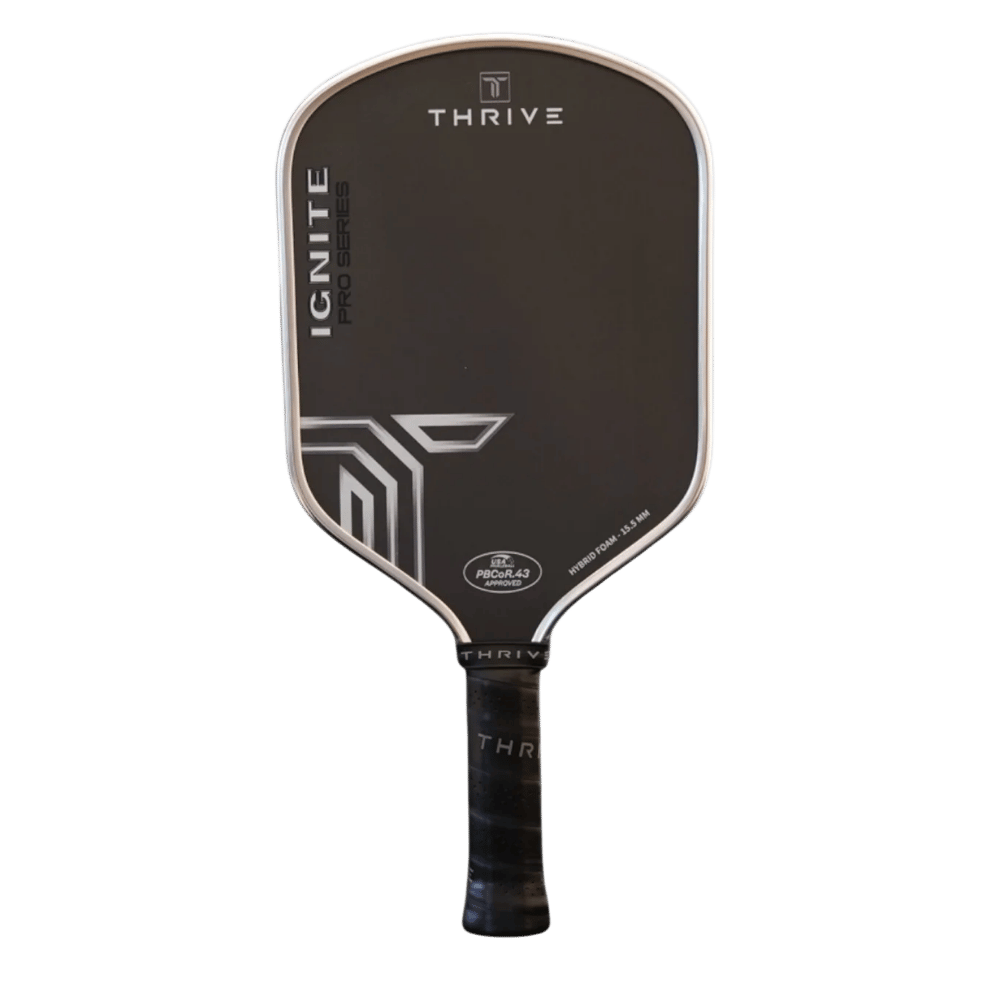
Carbon fiber and fiberglass are the two materials that dominate pickleball paddle faces. Carbon has displaced fiberglass on essentially every premium and most mid-range paddles in the last three years, but fiberglass still hangs on in the budget tier and in a few specialty products. The differences in feel, performance, and durability are real and worth understanding before you buy.
The Quick Take
| Property | Carbon Fiber | Fiberglass |
|---|---|---|
| Spin | More (especially raw carbon) | Less |
| Power | More (stiffer face = more pop) | Less |
| Feel | Snappier, firmer | Softer, more muted |
| Durability | Better long-term | Wears faster, sometimes cracks |
| Price | $130+ | $50–130 (now rare above $130) |
| Forgiveness | Slightly less | Slightly more on miss-hits |
Why Carbon Took Over
Three reasons carbon displaced fiberglass on modern paddles:
- Spin: raw carbon weave has more surface texture than fiberglass, which generates significantly more spin (15–30% more RPM on topspin tests)
- Power: stiffer face material means less energy loss at contact, which translates to more ball speed off drives
- Durability: carbon resists cracking and edge wear better than fiberglass, especially in thermoformed construction
Where Fiberglass Still Wins
Fiberglass isn't dead — it just lives in a smaller market. Fiberglass paddles are:
- Softer at contact, which some control players genuinely prefer
- Cheaper to manufacture, so they dominate the under-$100 tier
- More forgiving on miss-hits in some cases (the softer face spreads impact slightly more)
- Standard on many "junior" or beginner-set paddles where price matters more than performance
Hybrid Constructions
Some paddles use a hybrid construction — fiberglass on one layer for feel, carbon on another for spin and durability. Selkirk's Power Air series is a notable example. These hybrid faces try to capture the best of both materials, with varying degrees of success.
When to Buy Fiberglass
If you're shopping under $100 and want a paddle that's better than the absolute bottom tier, a quality fiberglass paddle from a real brand can be a solid pick. The Onix Z5 ($45) is the canonical example — millions of beginners have learned the game on it. But if you're spending $130 or more, get carbon. The performance gap is too big to ignore.
Bottom Line
Carbon fiber for any serious paddle. Fiberglass only if budget forces you under $100 — and even then, look for thermoformed carbon paddles in the $80–100 range first. The fiberglass era is mostly over for competitive play.