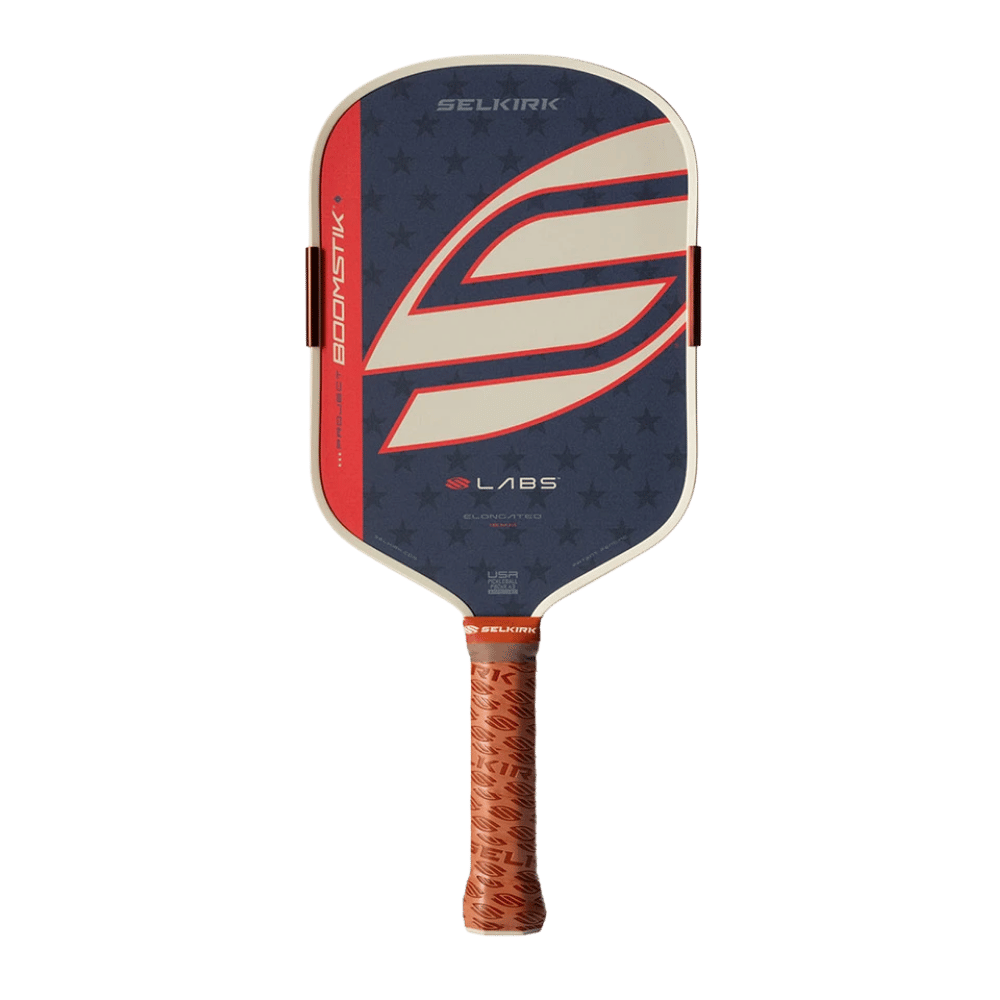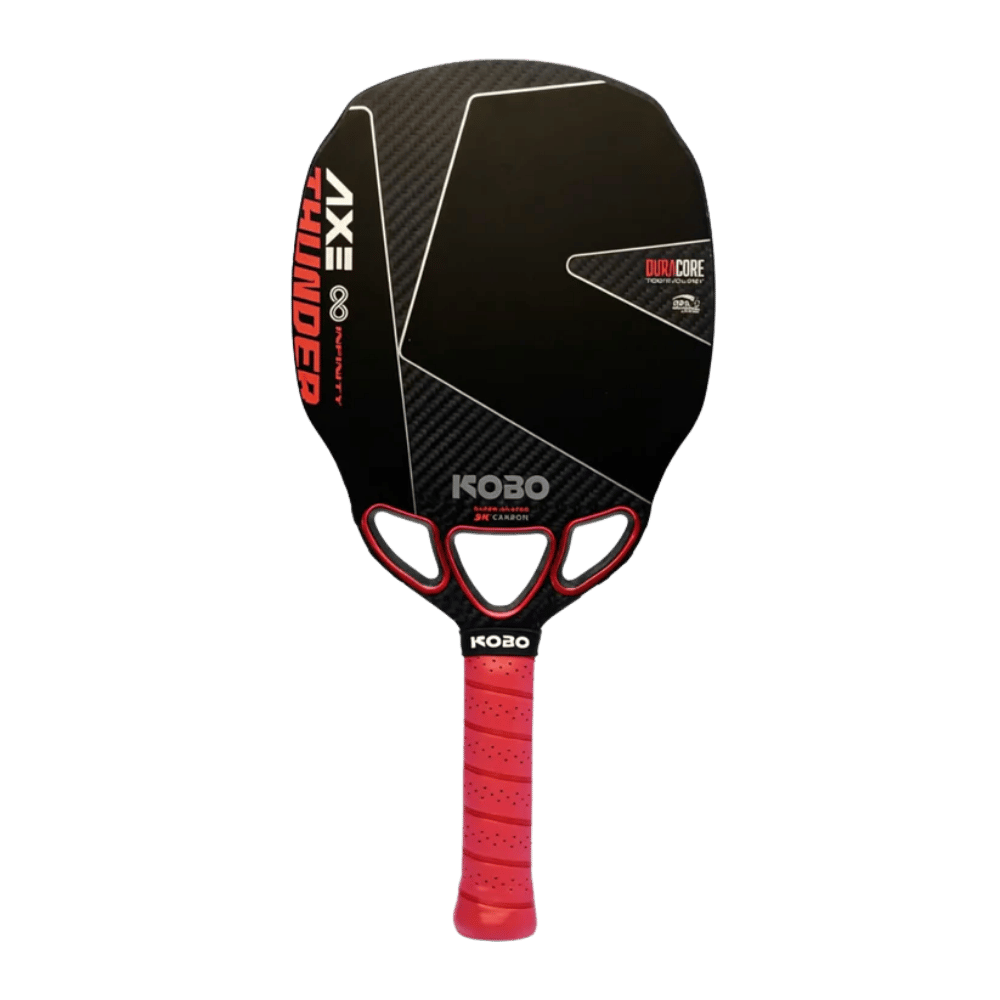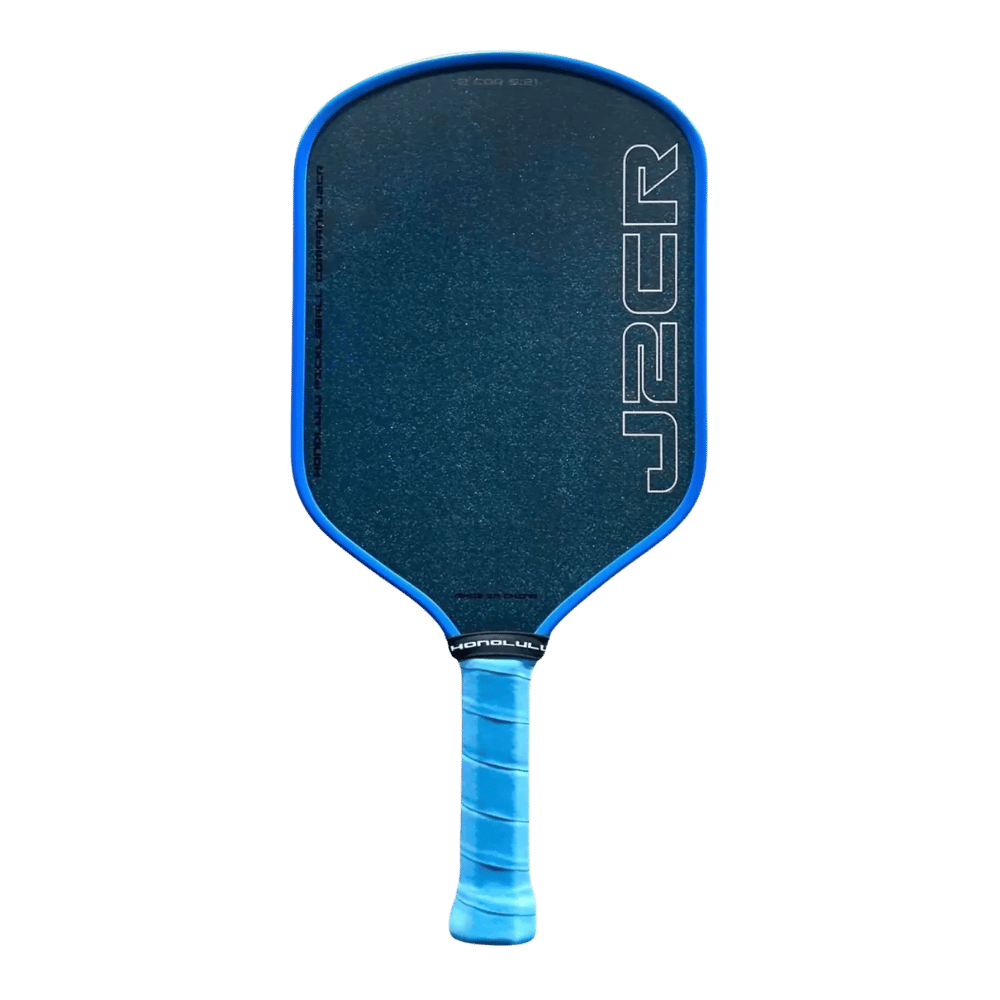
Every paddle brand markets their lineup as "power," "control," or "all-court." The labels can feel arbitrary because they're partly marketing, but they do map to real spec differences. Understanding which side of the trade you want — and which specs predict each — is the difference between a paddle you love and one you fight.
What "Power" and "Control" Actually Mean
A power paddle prioritizes generating high ball speed off the face with minimal effort. A control paddle prioritizes predictability and absorption — the ability to dink, reset, and place the ball precisely without it launching off the face. Same swing on each: the power paddle sends the ball harder and higher; the control paddle dampens the rebound and gives you more touch.
The Spec Differences
| Spec | Power Paddle | Control Paddle |
|---|---|---|
| Thickness | 13mm typical | 16mm typical |
| Shape | Elongated common | Widebody or hybrid common |
| Swing weight | 115–122 | 105–112 |
| Face material | Thermoformed raw carbon | Often Kevlar or softer carbon |
| Feel at contact | Snappy, loud, energetic | Soft, quiet, plush |
| Best shot | Drives, putaways, serves | Dinks, resets, drops |
When Power Is the Right Choice
- You play singles (you need the extra ball speed)
- You're an aggressive doubles player who wins points off drives
- You have a tennis or racquetball background — you swing through the ball with full strokes
- Your weakness is putting balls away, not keeping them in
- You play in larger venues where ball speed matters more
When Control Is the Right Choice
- You play soft-hands doubles — dink wars and kitchen-line patience
- Your weakness is keeping balls in, not generating pace
- You play with veteran partners who get more touch on every shot
- You've had elbow or shoulder issues — control paddles are gentler on the arm
- You want to be able to reset hard drives without them popping up
Why "All-Court" Often Wins
Most paddle brands now offer an all-court middle tier (typically 14mm hybrid). These paddles split the difference: 14mm gives you decent pop without launching resets, and the hybrid shape preserves enough sweet spot to be forgiving while keeping enough reach to be useful. For players who don't fit cleanly into either bucket — which is most players — all-court is the right answer.
Bottom Line
Power paddles reward aggression and punish soft touch. Control paddles reward patience and punish aggression. If you're not sure which you are, get an all-court (14mm hybrid). If you know your style, pick the side that matches it — and stop trying to make a control paddle play powerful, or vice versa.