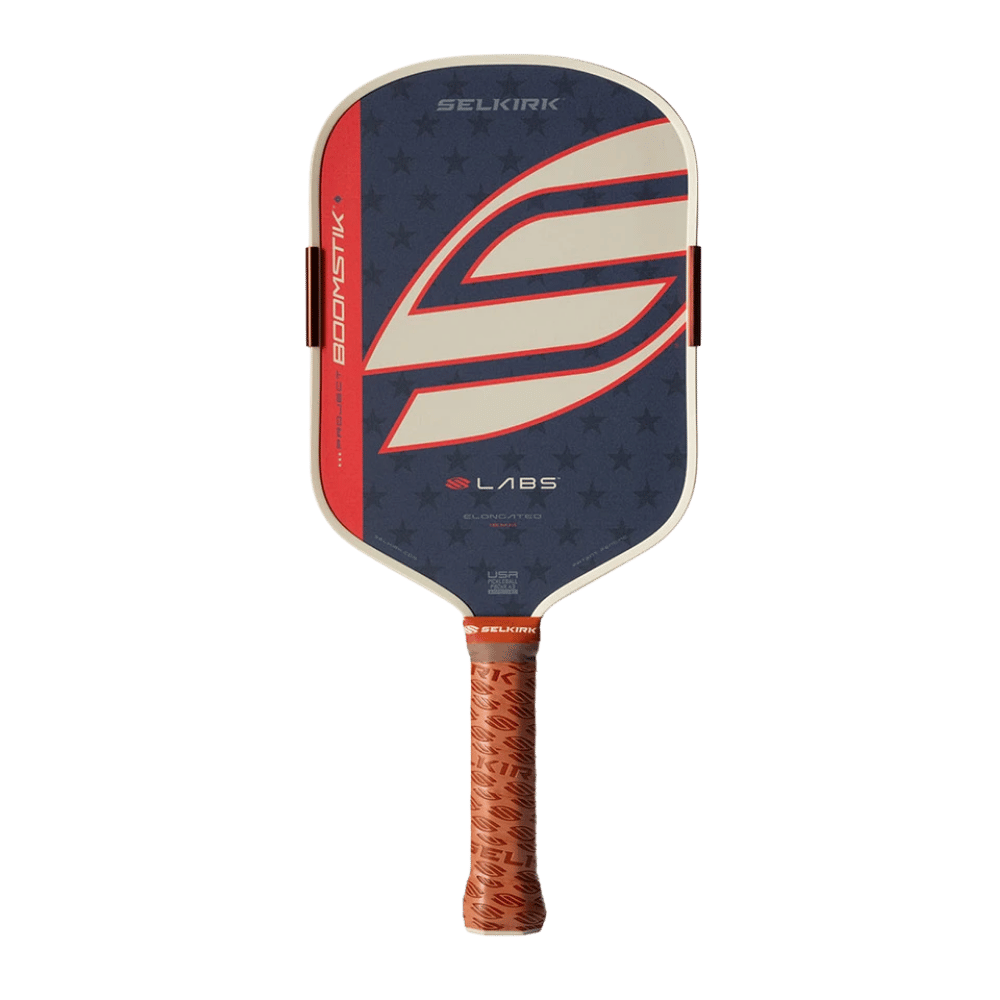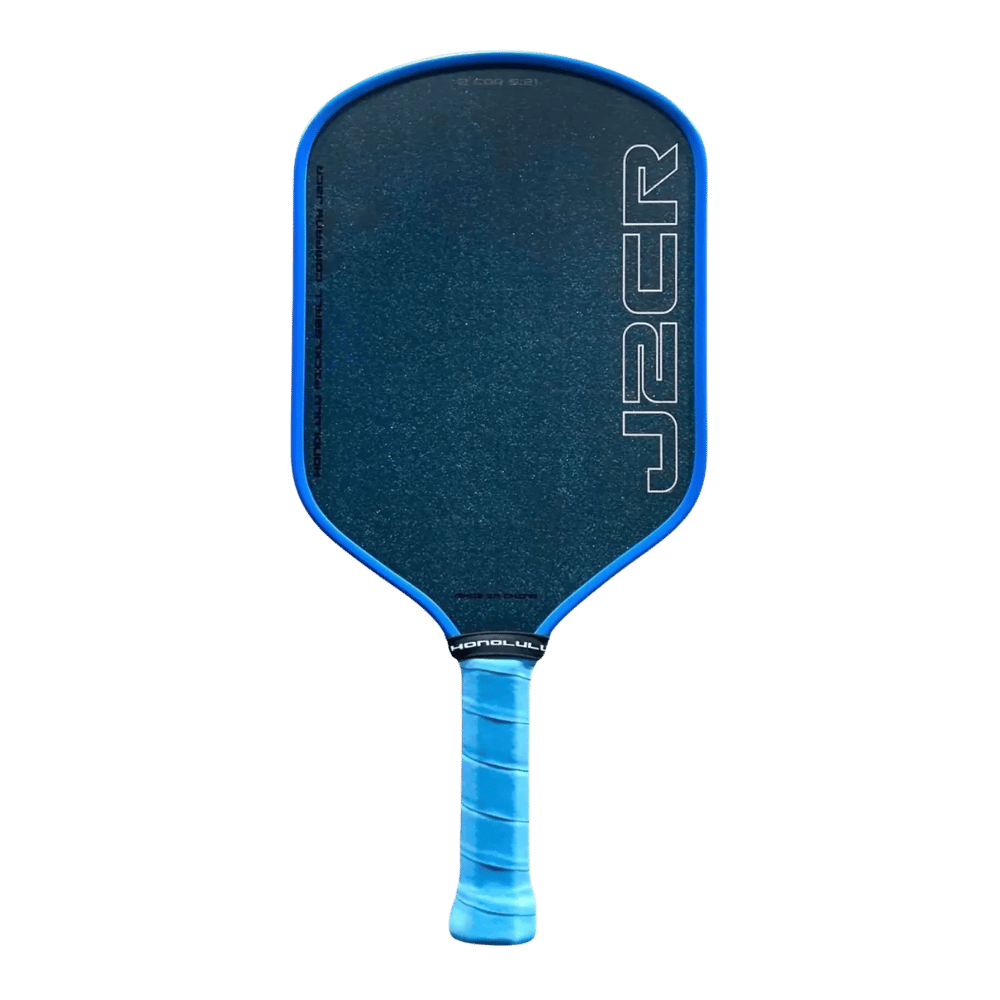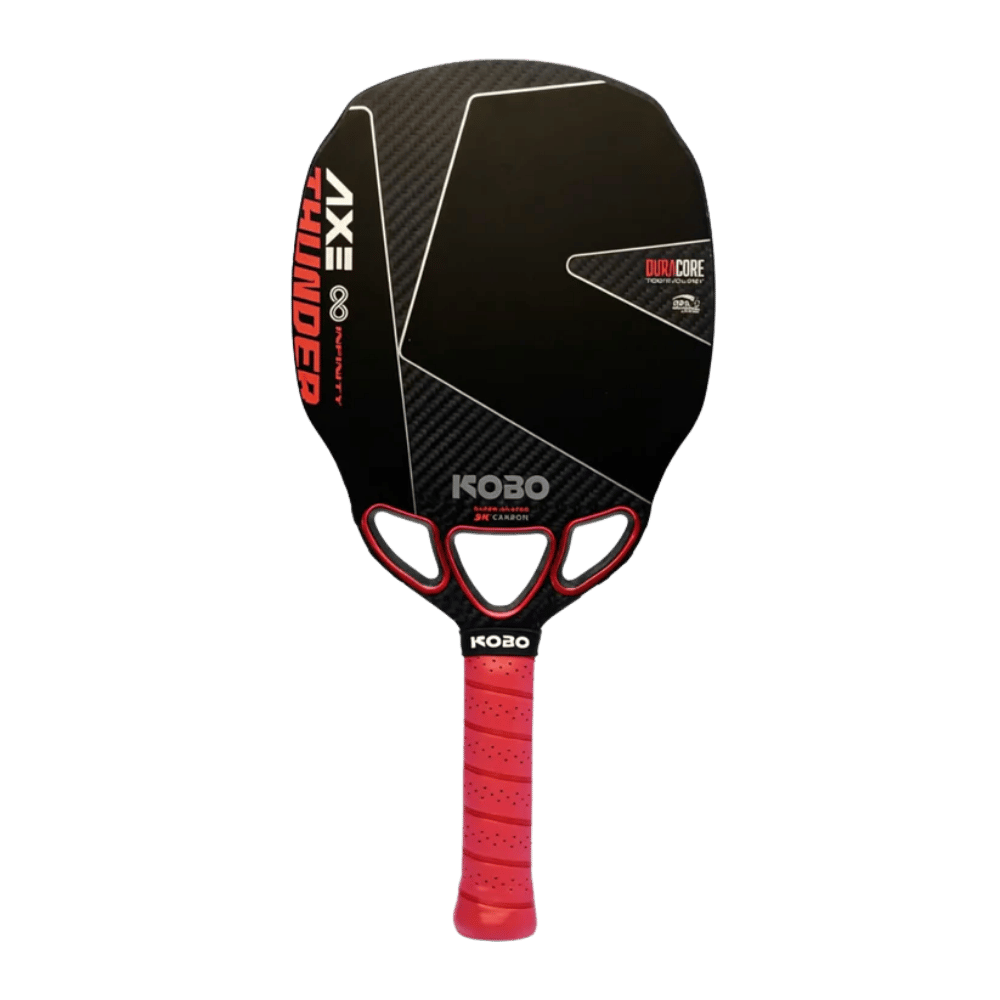
Paddle thickness — measured at the core, in millimeters — is the single biggest tuning knob on a modern pickleball paddle. Two paddles from the same brand with the same face material can play completely differently if one is 13mm and the other is 16mm. This guide walks through what actually changes when you go thinner or thicker, and how to pick the one that fits your game.
The Short Answer
| Thickness | Best For | Trade-Off |
|---|---|---|
| 13mm | Maximum pop and put-away power | Less plough-through on resets; harsher feel |
| 14mm | All-court balance — pop with feel | Jack-of-all-trades, master of none |
| 16mm | Soft hands, dinks, resets, control | Less raw power on bangs and putaways |
What Thickness Actually Changes
When you make a paddle's core thicker, three things happen at the same time: the face deflects less on contact (so the ball spends less time on the paddle, which feels firmer and quieter), the core absorbs more energy (which softens hard incoming shots like drives and bangs), and the moment of inertia goes up (which adds stability but slows the paddle through the air). All three of those work in opposite directions for power vs. control, which is why thickness is the closest thing to a single power-vs-control dial on a paddle.
13mm Paddles — Pop and Speed
13mm is now the standard thickness for power-first paddles. The thin core lets the face flex more on contact, which generates more rebound velocity — what players call "pop." 13mm paddles excel at: counter-attacks, hand battles at the kitchen, and putaway shots where you want the ball to leave the face fast. The trade-off is reset play. Because the core absorbs less energy from a hard incoming ball, blocking a drive can pop up higher than you wanted.
14mm Paddles — The Goldilocks Zone
14mm has quietly become the most-recommended thickness for intermediate players. It splits the difference: enough pop to finish points, enough core absorption to handle resets without launching them, and a feel that's neither boomy nor muted. If you're upgrading from a beginner paddle and don't know whether you're a power or control player yet, 14mm is the safe bet.
16mm Paddles — Soft Hands and Long Rallies
16mm is the standard for control-first paddles. The thicker core absorbs more energy on contact, so the ball deadens against the face — exactly what you want on a third-shot drop or a kitchen-line reset. 16mm paddles are forgiving on miss-hits because the larger sweet spot extends further toward the edges. The trade-off is putaway power: with a 16mm, you'll often need to take a bigger swing to finish a point that a 13mm could end with a flick.
What About 18mm?
A handful of brands sell 18mm paddles (Kobo Thunder Axe, Ronbus Ripple R1.18 etc.). These are extreme-control paddles built for dink-heavy doubles play. They're niche — most players find them too dead for any kind of drive-and-attack game — but for soft-hands players who almost never bang, they can be the ultimate kitchen weapon.
Bottom Line
If you're a singles player or you live in hand battles, go 13mm. If you mostly play doubles and your game is dinks, drops, and resets, go 16mm. If you don't know yet, go 14mm — you'll never feel undergunned, and you'll never feel like the paddle is fighting you on touch shots.