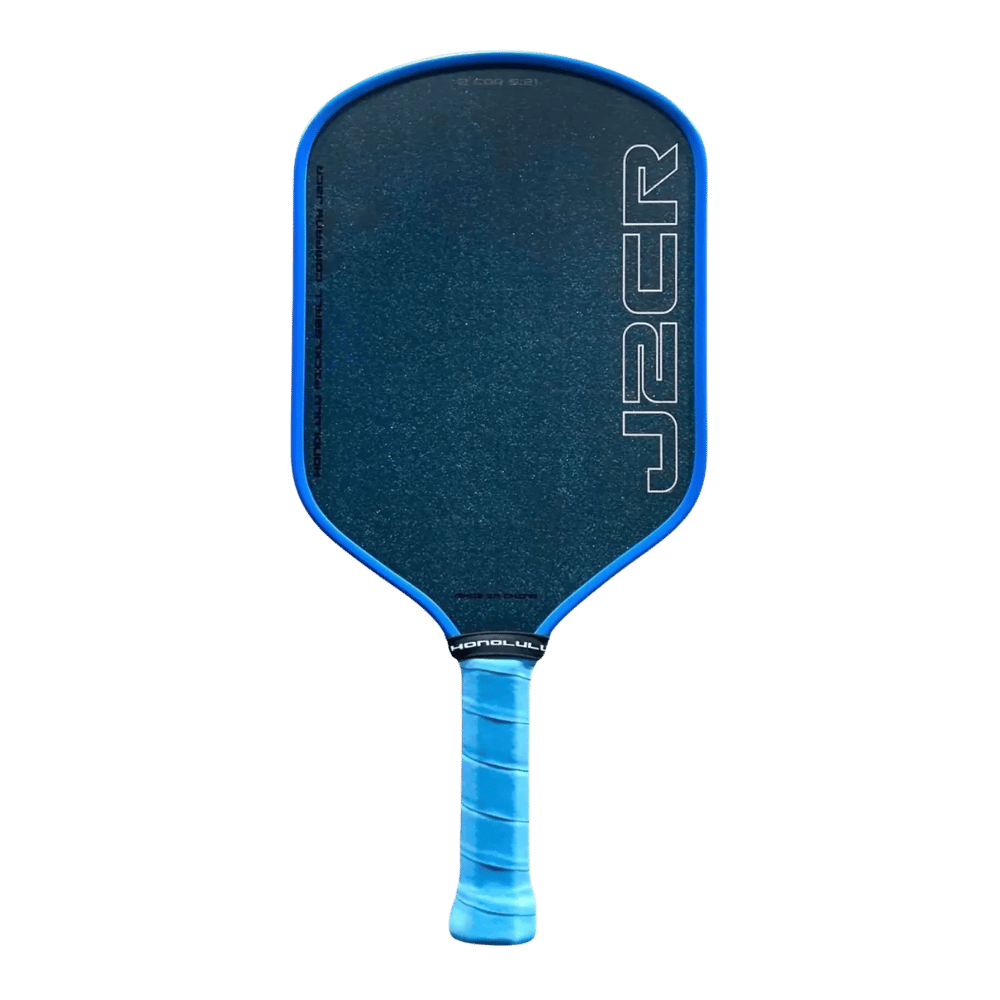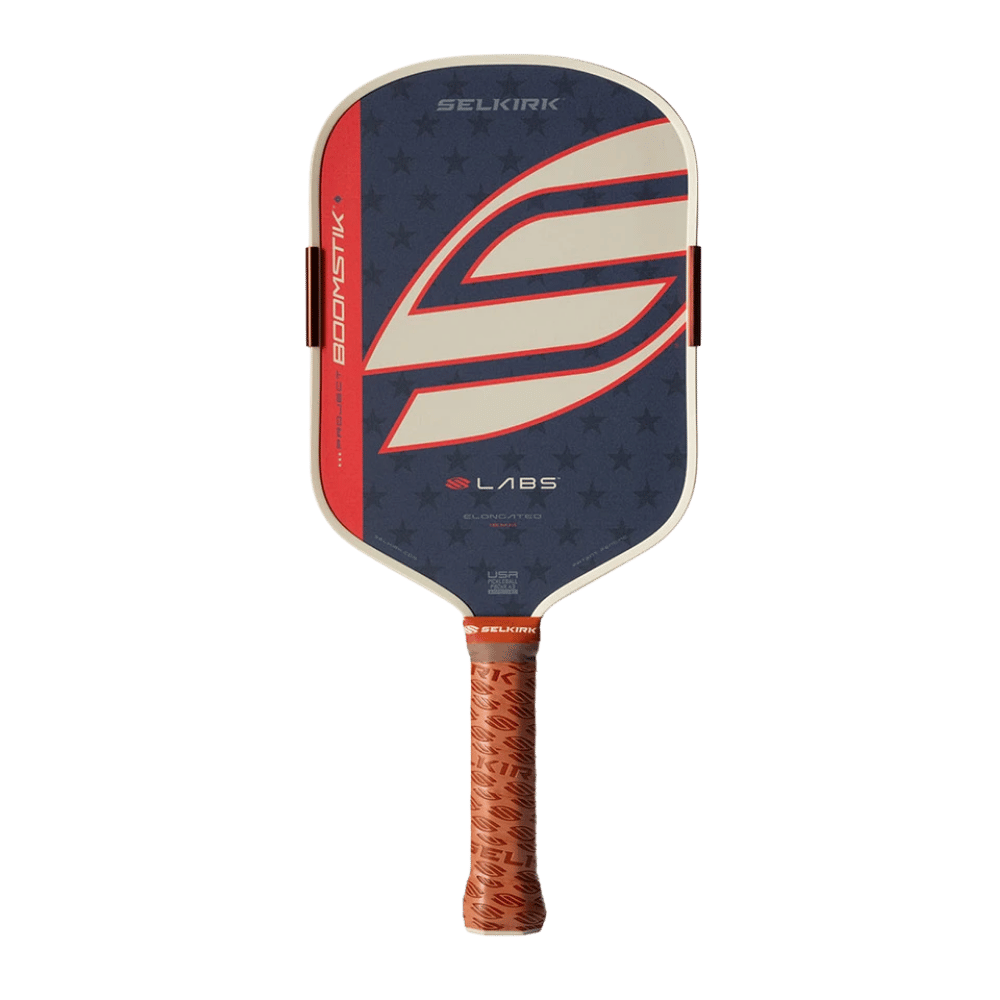
Until 2022, almost every pickleball paddle was "cold-pressed" — the carbon or fiberglass face was glued onto a pre-built honeycomb core, with a separate foam edge bumper and vinyl edge guard wrapping the perimeter. Then Joola released the Hyperion CFS, the first widely-distributed "thermoformed" paddle, and the whole industry pivoted within a year. Here's exactly what changed.
The Construction Difference
| Feature | Traditional (Cold-Pressed) | Thermoformed |
|---|---|---|
| Face attachment | Glued onto pre-built core | Pressed with core under heat |
| Edge construction | Separate foam bumper + vinyl guard | Face wraps continuously around perimeter (unibody) |
| Power | Less — edge bumper absorbs energy | More — no energy loss at perimeter |
| Feel | Softer, more muted | Crisper, snappier, louder |
| Spin | Slightly less | Slightly more (face stays in contact longer) |
| Durability concerns | Edge bumper wear | Core crush and edge cracks (early Gen 2) |
| Year peaked | 2018–2022 | 2023–present |
Why Thermoforming Changed Everything
In a cold-pressed paddle, the foam bumper at the perimeter absorbs a real percentage of the impact energy. That energy never reaches the ball. Thermoformed paddles eliminate the bumper — the unibody construction means the face wraps continuously around the edge — so all the energy that used to dissipate at the perimeter now goes into the ball. That single change is the entire reason modern paddles hit so much harder than 2021 paddles.
The Trade-Offs
Thermoforming wasn't free. The first wave of thermoformed paddles (2022–2023) had widespread durability issues: core crush in the honeycomb, edge cracks at the perimeter, premature dead spots. Manufacturing has improved dramatically — current Gen 3 paddles are far more reliable — but thermoformed paddles still tend to die younger than the cold-pressed paddles of the previous generation.
Cold-Pressed Still Has a Niche
A handful of brands still make cold-pressed paddles — Selkirk's Power Air series, for example, uses a partial cold-pressed construction. These are typically positioned as soft-hands or quiet paddles. The softer feel can genuinely be preferable for players who don't want extra pop. But these paddles are no longer the mainstream — they're a specialty subset.
Which to Buy
For 95% of new paddle purchases, thermoformed is the answer. It's what the major brands sell, it's what pros use, and it delivers the modern feel most players expect. Buy cold-pressed only if you've explicitly tried both and know you prefer the softer, more muted feel.
Bottom Line
Thermoformed paddles are the default in 2026. The pop, spin, and modern feel are real upgrades over cold-pressed construction. Durability has caught up since the rough early Gen 2 days. Cold-pressed is now a niche, not the mainstream.