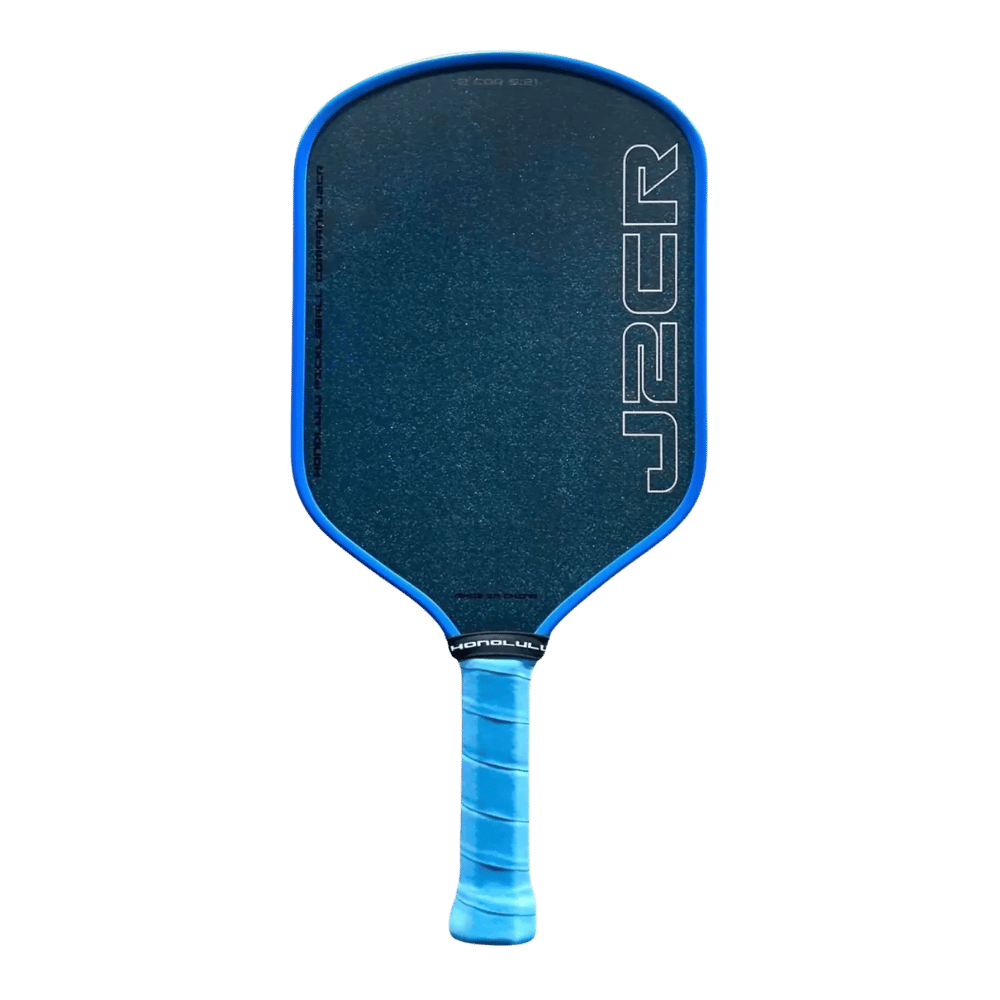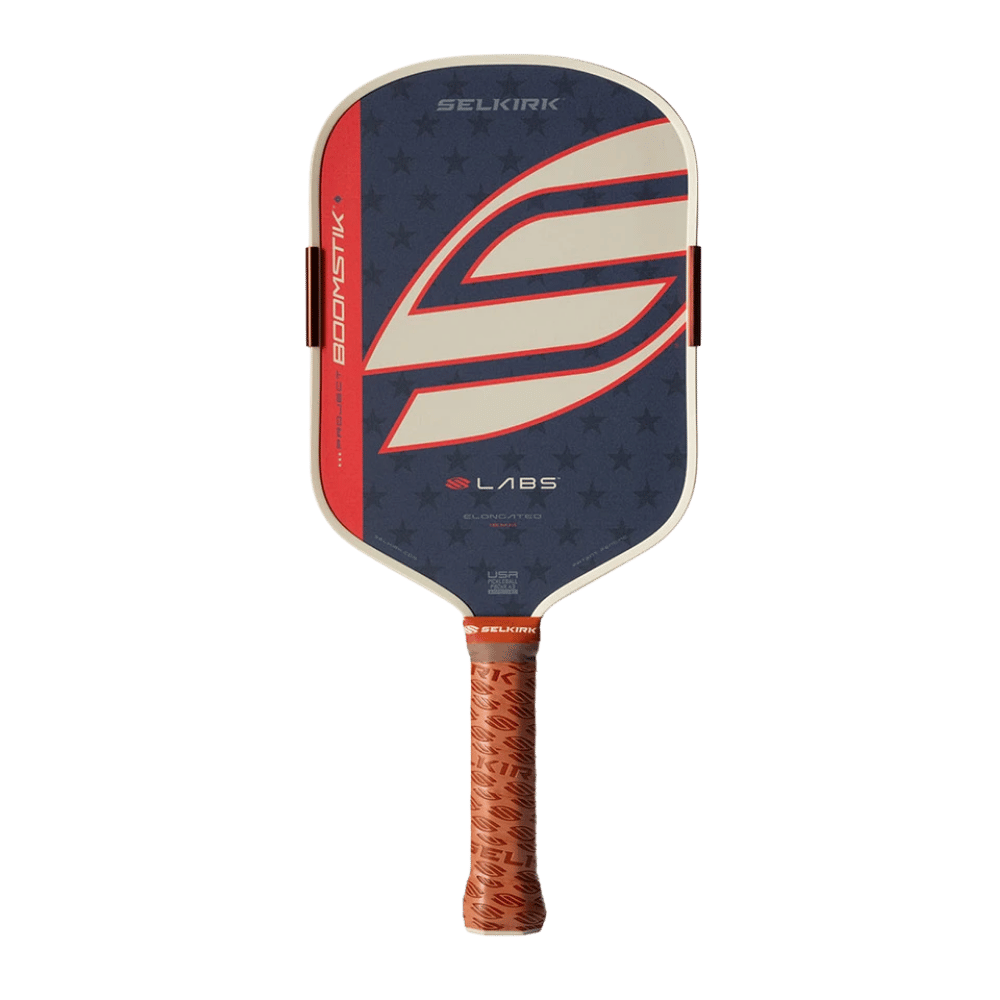
A thermoformed pickleball paddle is one built using a unibody molding process — the face, edge walls, and throat are all pressed together under heat and pressure into a single piece, with the core sealed inside. Compared to traditional "cold-pressed" construction (where the face is glued onto a pre-built honeycomb core with a separate edge guard wrapping the perimeter), thermoforming creates a stiffer, more energetic paddle with a louder, poppier feel.
Why Thermoforming Changed Everything
Before thermoforming, the standard paddle construction was face-glued-to-core with a foam edge bumper and a vinyl edge guard. That bumper absorbed energy. Thermoformed paddles eliminated it — the unibody is the bumper — so all the energy that used to dissipate at the perimeter now goes into the ball. That's the entire reason modern paddles hit so much harder than paddles from 2022.
How to Tell If a Paddle Is Thermoformed
- Look for the words "thermoformed," "unibody," or "Gen 2/Gen 3" on the brand's site
- Check the edges: if the face wraps continuously around the perimeter with no separate bumper, it's thermoformed
- Listen on contact: thermoformed paddles have a higher-pitched, snappier "pop" sound
- Look at the throat: a one-piece molded throat with continuous edge is the giveaway
The Trade-Offs
Thermoforming isn't a free upgrade. Two real problems came with it. First, the stiffer construction can amplify off-center hits — a mishit on a thermoformed paddle feels harsher than the same mishit on a cold-pressed paddle. Second, durability. Thermoformed paddles are more prone to core crush (the inner honeycomb collapsing from repeated hard hits) because there's no foam buffer at the perimeter. The earliest Gen 2 paddles in 2023 had widely reported core-crush failures within months. Manufacturing has gotten much better, but it's still worth checking warranty length before buying.
Are Cold-Pressed Paddles Obsolete?
Not entirely. A few brands still make cold-pressed paddles for players who want a softer, more muted feel — particularly soft-hands doubles specialists who don't need extra pop. Selkirk's Power Air series, for example, uses a hybrid construction. But for 90% of the market, thermoformed has become the default, and any paddle launched in the last two years from a major brand is almost certainly thermoformed.
Bottom Line
If you're shopping for a modern paddle, assume it's thermoformed unless explicitly told otherwise. The benefits (more pop, more spin, snappier feel) outweigh the costs (slightly less forgiveness, occasional durability concerns) for the vast majority of players.