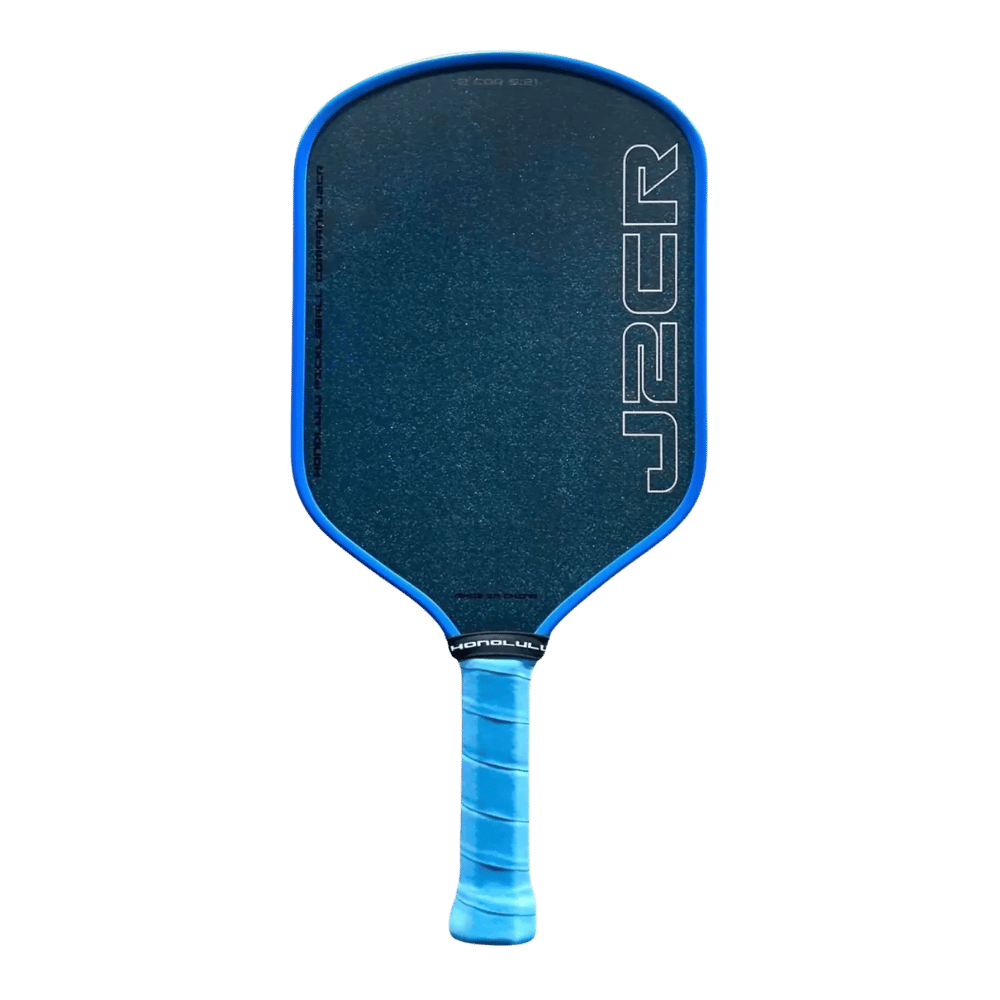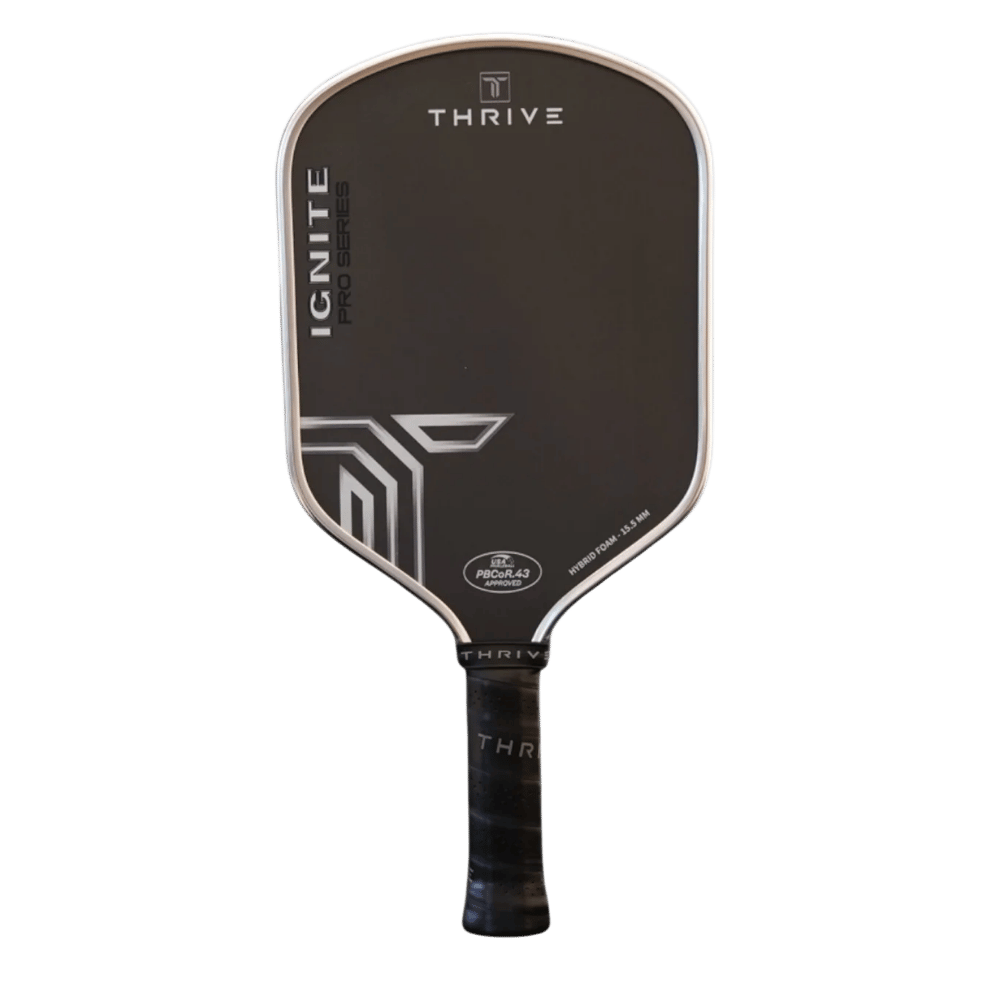
"Gen 3" is the marketing term most paddle brands have settled on for their newest construction. There's no formal industry standard for what counts as Gen 3 — it means whatever a brand wants it to mean — but most Gen 3 paddles share a few features: a more refined thermoforming process, often with internal foam edge channels ("propulsion cores" or "power chambers"), updated face materials, and tighter manufacturing tolerances.
A Brief History of "Gens"
| Generation | What's New | Era |
|---|---|---|
| Gen 1 | Cold-pressed face glued to honeycomb core with foam bumper | 2018–2022 |
| Gen 2 | Thermoformed unibody construction (no separate bumper) | 2022–2024 |
| Gen 3 | Refined thermoforming + internal foam channels + better materials | 2024–present |
What Actually Changed in Gen 3
- Internal foam edge channels — strips of foam injected around the perimeter that reduce vibration without killing pop
- Improved core material — denser polypropylene blends, or full foam replacements
- Better face-to-core bonding — fewer hot spots, more consistent feel across the face
- Tighter manufacturing tolerances — less paddle-to-paddle variance
- Often (not always) higher twist weight — the foam channels add stability at the edges
What Hasn't Changed
The face material on most Gen 3 paddles is still T700 or T300 raw carbon fiber — the same materials Gen 2 paddles used. The honeycomb core is still polypropylene in most cases (some brands have switched to foam, but that's a separate dimension from "Gen 3"). And the dimensions (16"–16.5" total, 7.5"–8.25" wide) haven't changed because USAPA rules cap them.
Is Gen 3 Worth the Upgrade?
If you have a Gen 2 paddle from 2022–2023 that's developed a dead spot or shows core crush, Gen 3 is a real upgrade. If your Gen 2 paddle still feels great, the jump to Gen 3 is incremental, not transformative. The biggest practical gain isn't performance — it's durability. Modern Gen 3 paddles tend to last longer than the first wave of thermoformed paddles did.
Bottom Line
"Gen 3" is real, but not as revolutionary as the marketing suggests. The real shifts in pickleball paddles right now are foam cores and refined thermoforming — both of which often ship under the Gen 3 label. If you're shopping, ask what's actually in the paddle, not what generation it's branded as.