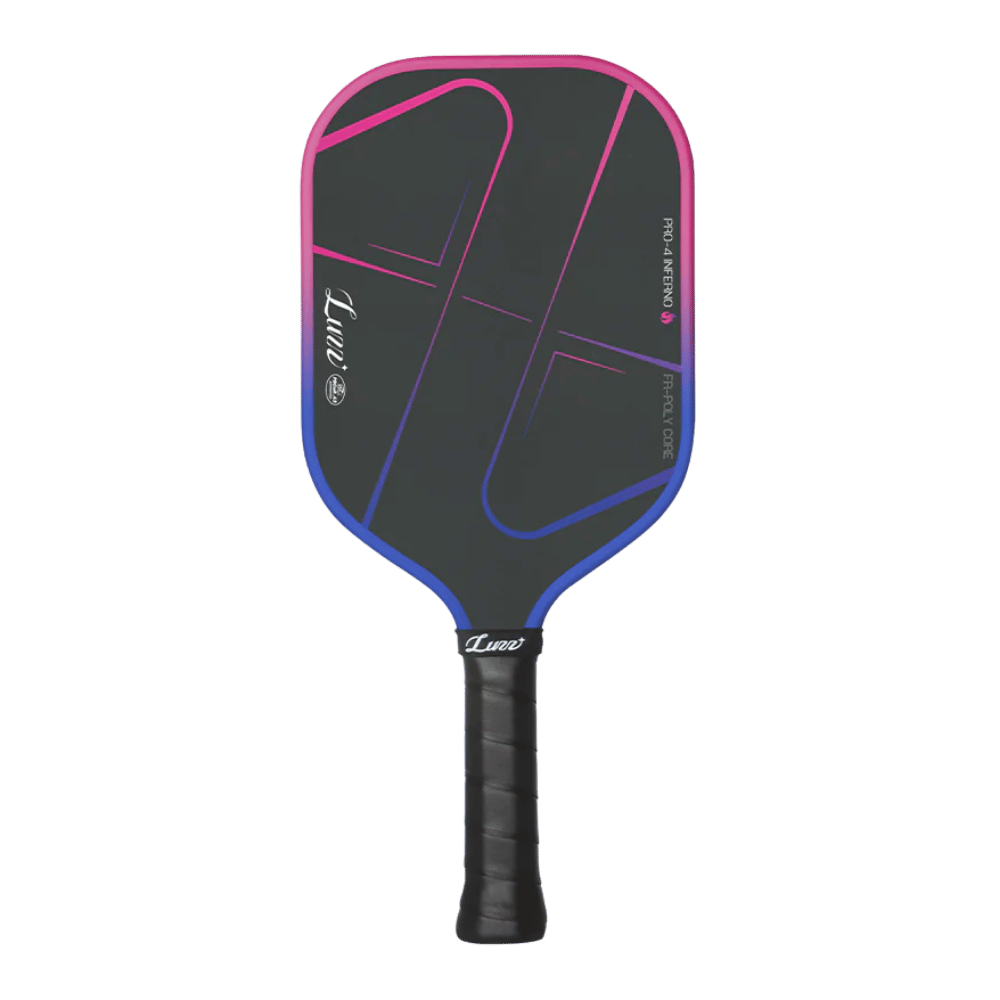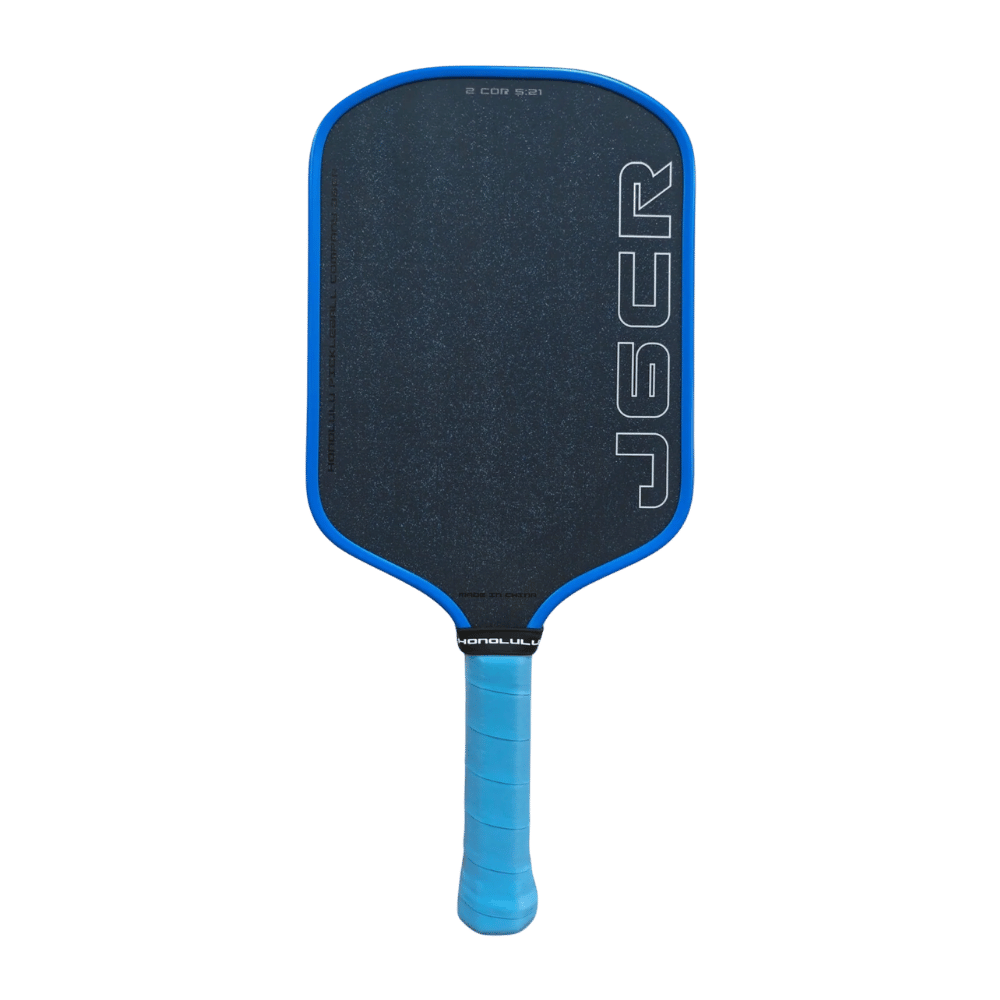
Grit on a pickleball paddle is the surface texture that grabs the ball at contact and generates spin. It's not glued on (despite a lot of confused YouTube videos) — it's an inherent property of how the face material is woven or finished. The rougher the surface at a microscopic level, the more friction it creates against the ball, and the more the ball spins off the face when you brush across it.
How Grit Generates Spin
Spin is created by the ball briefly "grabbing" the paddle face during contact. The rougher the surface, the longer the ball stays in contact and the more rotational energy it picks up. On smooth surfaces (like an old, worn-out paddle face) the ball slides off without grabbing, and your topspin drive comes out as a flat shot instead.
What Materials Produce the Most Grit
| Face Material | Grit Level | Notes |
|---|---|---|
| Raw T700 carbon | Highest | The exposed weave is naturally textured — modern standard for spin paddles |
| Raw T300 carbon | High | Similar texture to T700 but less stiff overall |
| Kevlar / aramid hybrid | Very high | Yellow fibers feel rougher than carbon and resist wear better |
| Painted / coated carbon | Low | The paint smooths the texture; grit wears off as the paint wears off |
| Fiberglass | Medium | Less than raw carbon but more than painted faces |
Why Grit Wears Off
Every ball impact and every brush stroke against the ball lightly polishes the face. Over hundreds of hours of play, the rough texture wears smoother. You'll notice it first when your topspin shots start floating long — the paddle isn't grabbing the ball the way it used to. There's no fixing this; grit doesn't regenerate.
How Long Does Grit Last?
Depends on the face material and how aggressive you are. On a raw carbon face, expect 6–12 months of competitive play before noticeable spin loss. On a painted face, sometimes as little as 2–3 months. On a Kevlar/aramid blend, often 12+ months. Hot, sandy outdoor courts wear grit faster than indoor courts.
The USAPA Limit on Grit
USA Pickleball regulates surface roughness. Faces can't exceed a maximum coefficient of friction; that's why you don't see paddles with sandpaper glued to them. The roughness limit was tightened in 2024, which is why some older paddles (and a few "spin monster" paddles from non-USAPA brands) are no longer tournament-legal.
Bottom Line
If you care about spin, buy a raw carbon paddle (T700 or T300) and plan to replace the paddle every 12–18 months even if it looks fine. The grit fades long before the paddle visually dies.